
Air Purifying Plants for the New Year
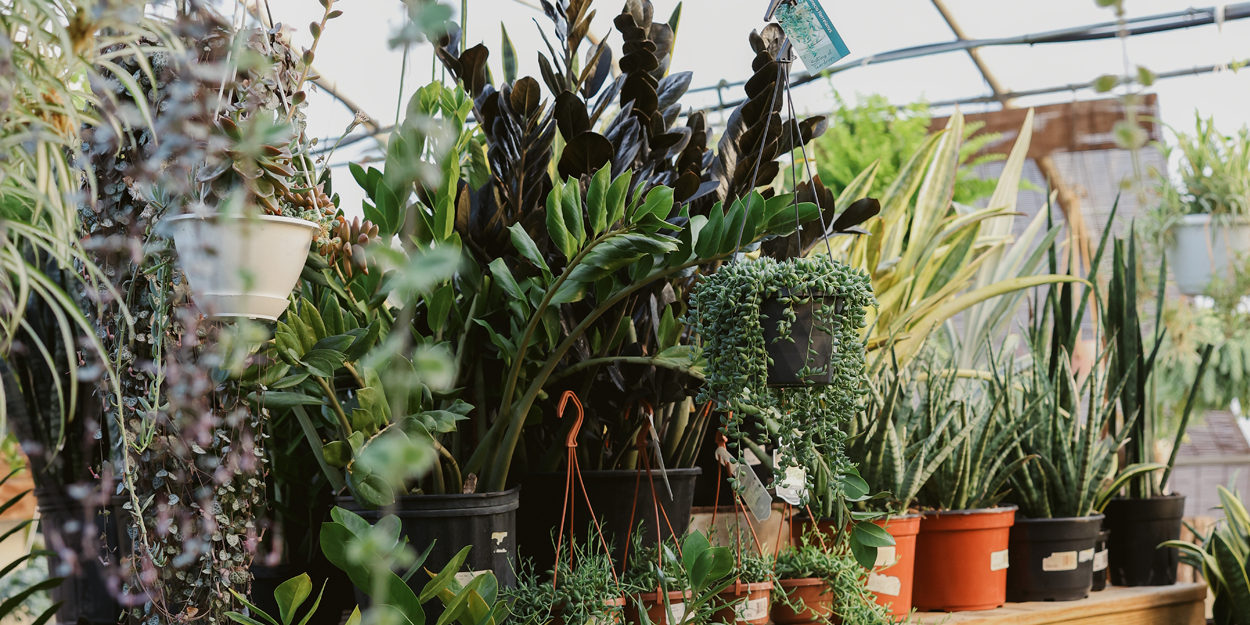
As the new year starts, many of us are searching for ways to improve our health. Whether it’s committing to eating better, joining the gym, or just moving our body, health is top of mind this time of year. The cold winter temperatures in Pennsylvania can cause us to spend most of our time indoors. While we’re so focused on washing our hands and wiping down surfaces in our home, we often forget about our air quality.
Plants can be used for several medicinal purposes and have evolved throughout the years. From homeopathic medicine to treatments for burns and insect stings, plants serve a larger purpose than aesthetics. One thing plants have always been known for is their ability to purify the air we breathe. Ever notice how fresh the air in a greenhouse is? It’s not just in your head, it’s backed by science. In fact, NASA did a study in 1988 on common air purifying houseplants called the NASA Clean Air Study.
Here are some of our favorite air purifying houseplants and a little information on each of them.
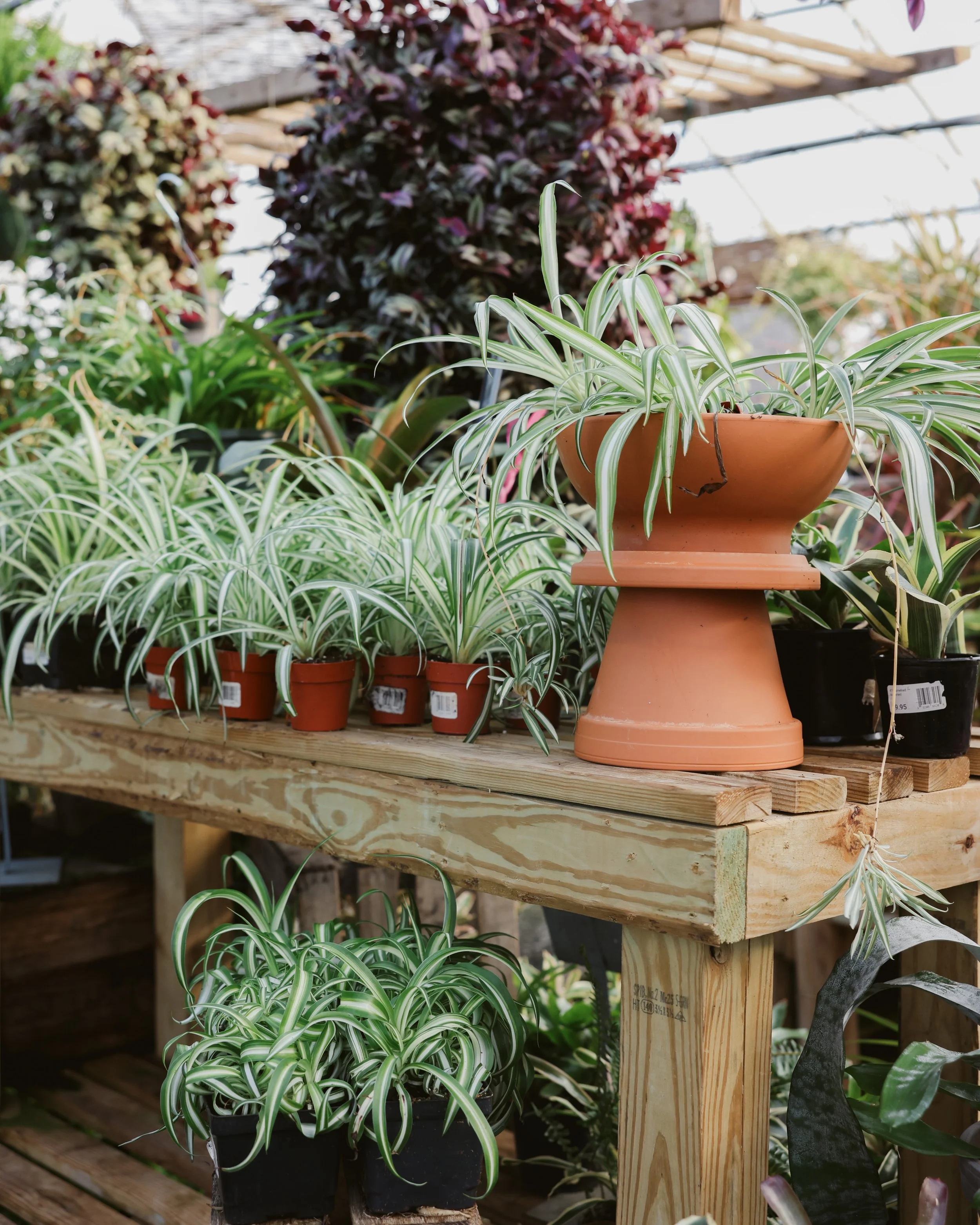
Spider Plants, also known as Chlorophytum comosum
These popular houseplants are very easy to grow and require very little attention and upkeep. The spider plant gets its name from its resemblance to a spider and their trailing stems. Spider plants have been found to reduce pollutants in the air, specifically toxic formaldehyde.
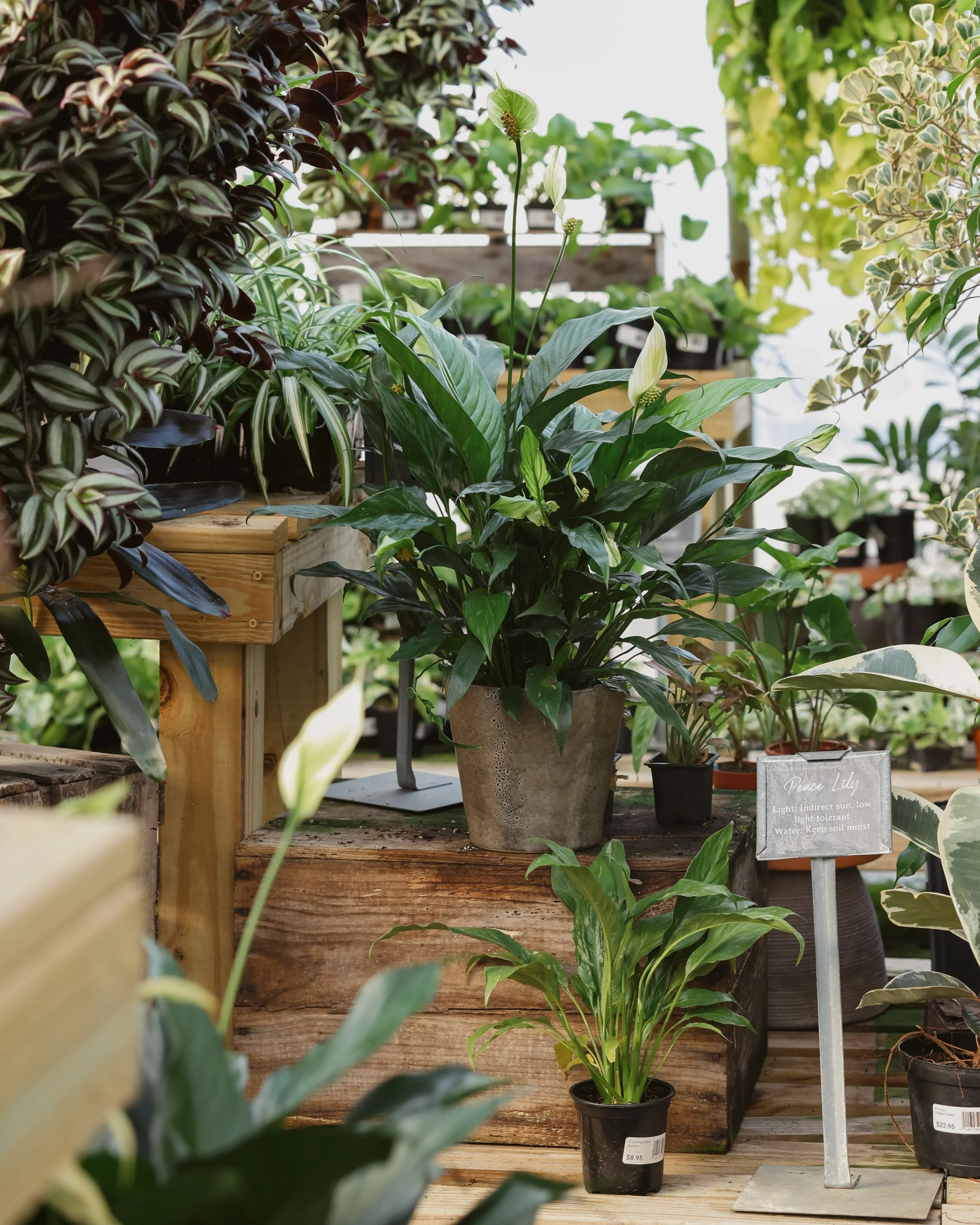
Peace Lily, also known as Spathiphyllum
Peace lilies are easy to care for and do not require a lot of light. These plants can provide a sense of calm while also removing carbon dioxide and volatile organic compounds (VOCs) from the air. If you have pets or small children, be sure to keep these plants out of reach as they can be dangerous if ingested.
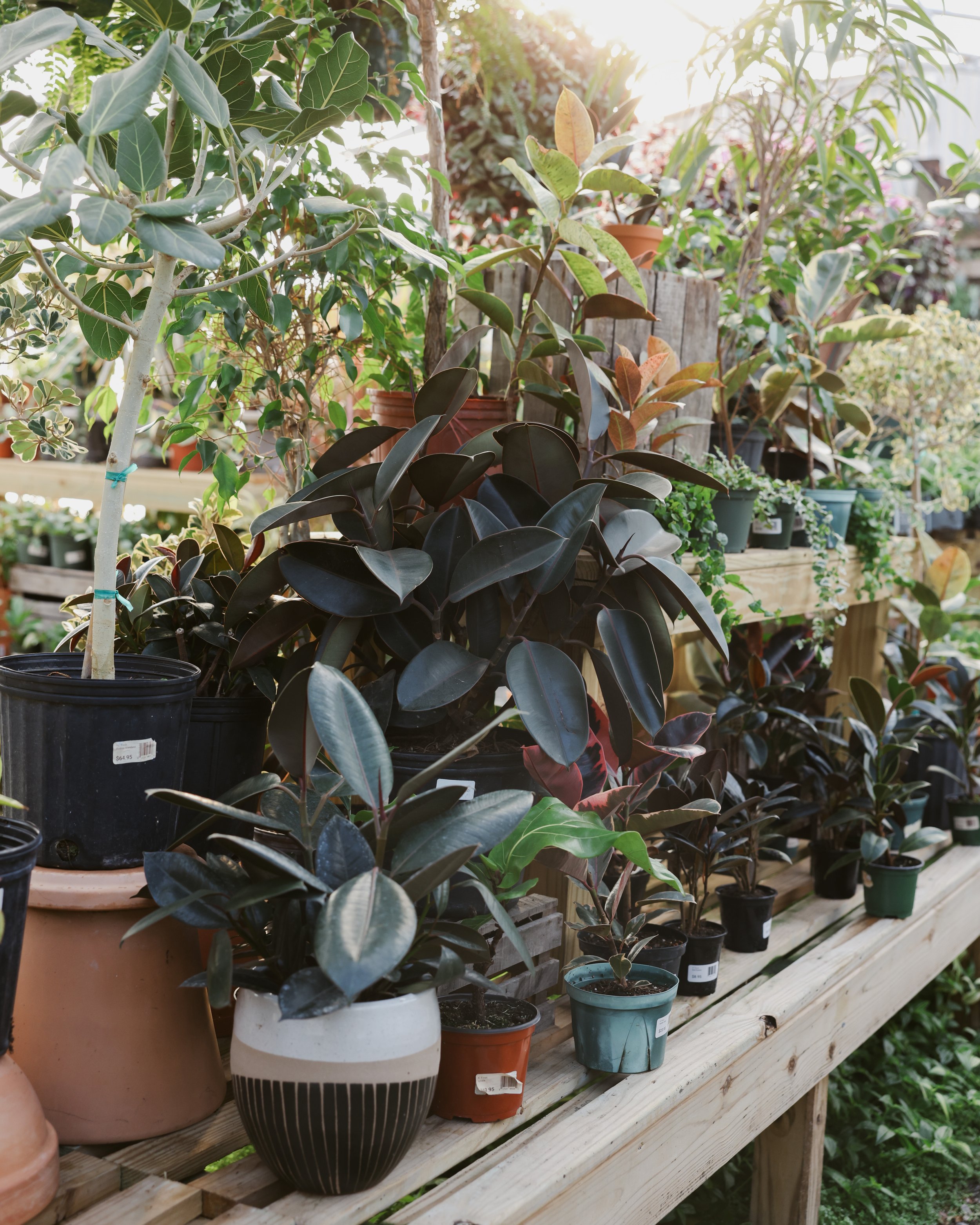
Rubber Plants, also known as Ficus elastica
These easy to care for plants only require water about once a week. These plants are known for absorbing toxins like formaldehyde, benzene, and carbon monoxide. These plants can also be highly toxic if digested, so homes with small children and pets should be especially careful.
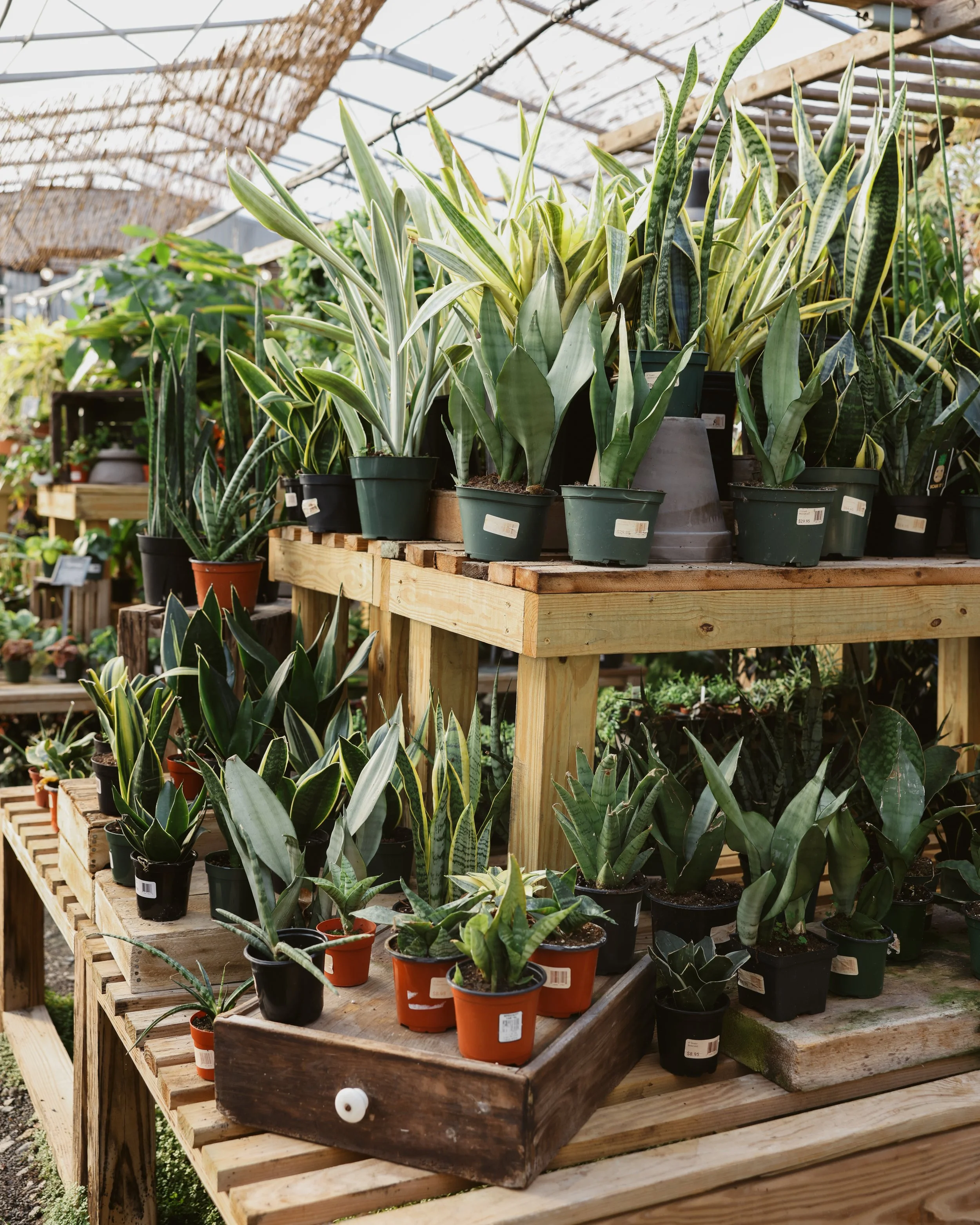
Snake Plants, also known as “mother-in-law’s tongue” or Sansevieria trifasciata
These plants are the definition of set it and forget it. They require very little maintenance, can grow in just about any light, and only need watered when the soil is dry. According to NASA’s study, snake plants are one of the top air purifying plants removing up to four types of toxins from the air. They are also known to reduce allergens.
Ferns
These plants require a little more care than the previous plants, but Boston ferns specifically are some of the best plants for cleaning VOCs from the air. They require medium bright light and consistently moist soil in order to thrive.
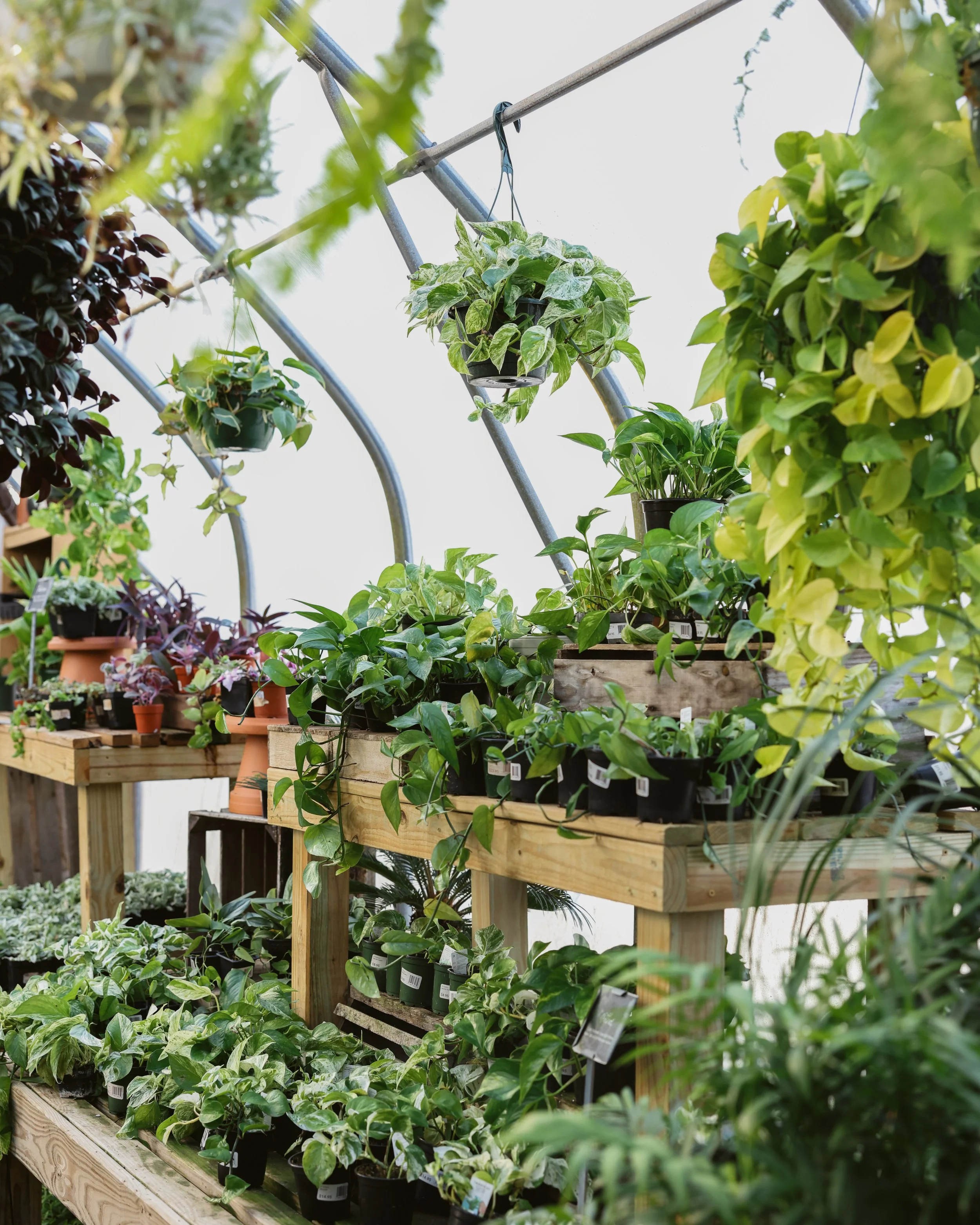
Pothos, also known as Epipremnum pinnatum
These plants are very easy to grow and perfect for beginners. Pothos thrive in indirect sunlight with infrequent watering. They are known to lower indoor ozone levels, lowering your risk for respiratory ailments, and making it easier to breathe.
English Ivy, also known as Hedera helix
These plants have been shown to reduce levels of carbon dioxide, formaldehyde, and toxins in the air. English ivy grows best in direct sunlight and requires water when the soil dries out.
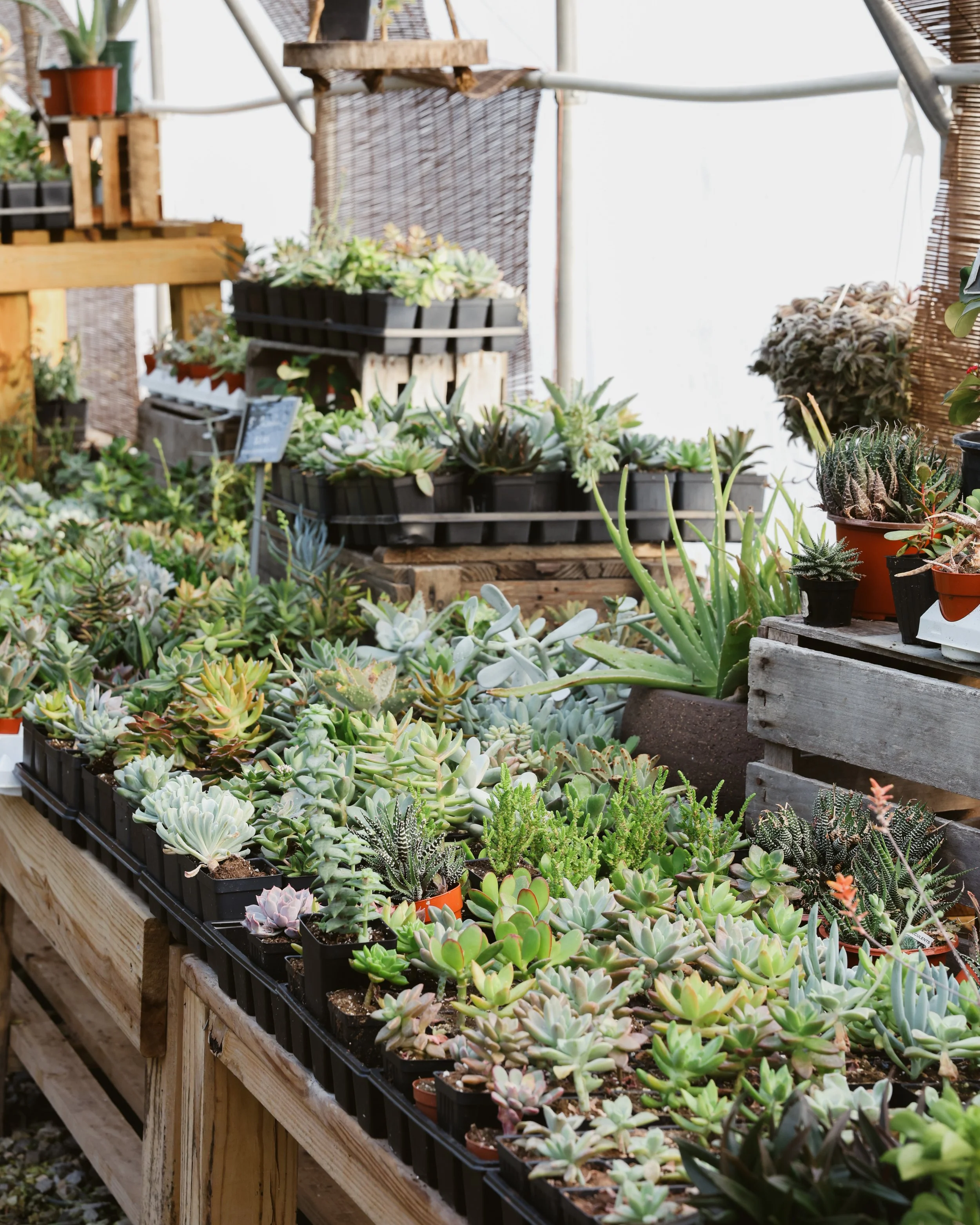
Succulents and Cacti
These are some of the easiest plants to take care of, requiring water only when the soil is completely dry. Succulents and cacti are very easy to overwater, so if you think you’re not watering them enough, you’re probably doing a great job caring for them. Cacti work to absorb and purify air in your home, with each unique type providing specific benefits. Succulents function as humidifiers, increasing oxygen in the air.
Ready to welcome clean air into your home this year? These plants are all available for sale in our conservatory! Find your plant, pick out a pot, and plant it in the conservatory for no added cost! Need help finding the right one for you? Let our staff know what you’re looking for and they can help you chose the perfect plant for your home.