
Spring Plant Care: When and How to Repot Your Houseplants
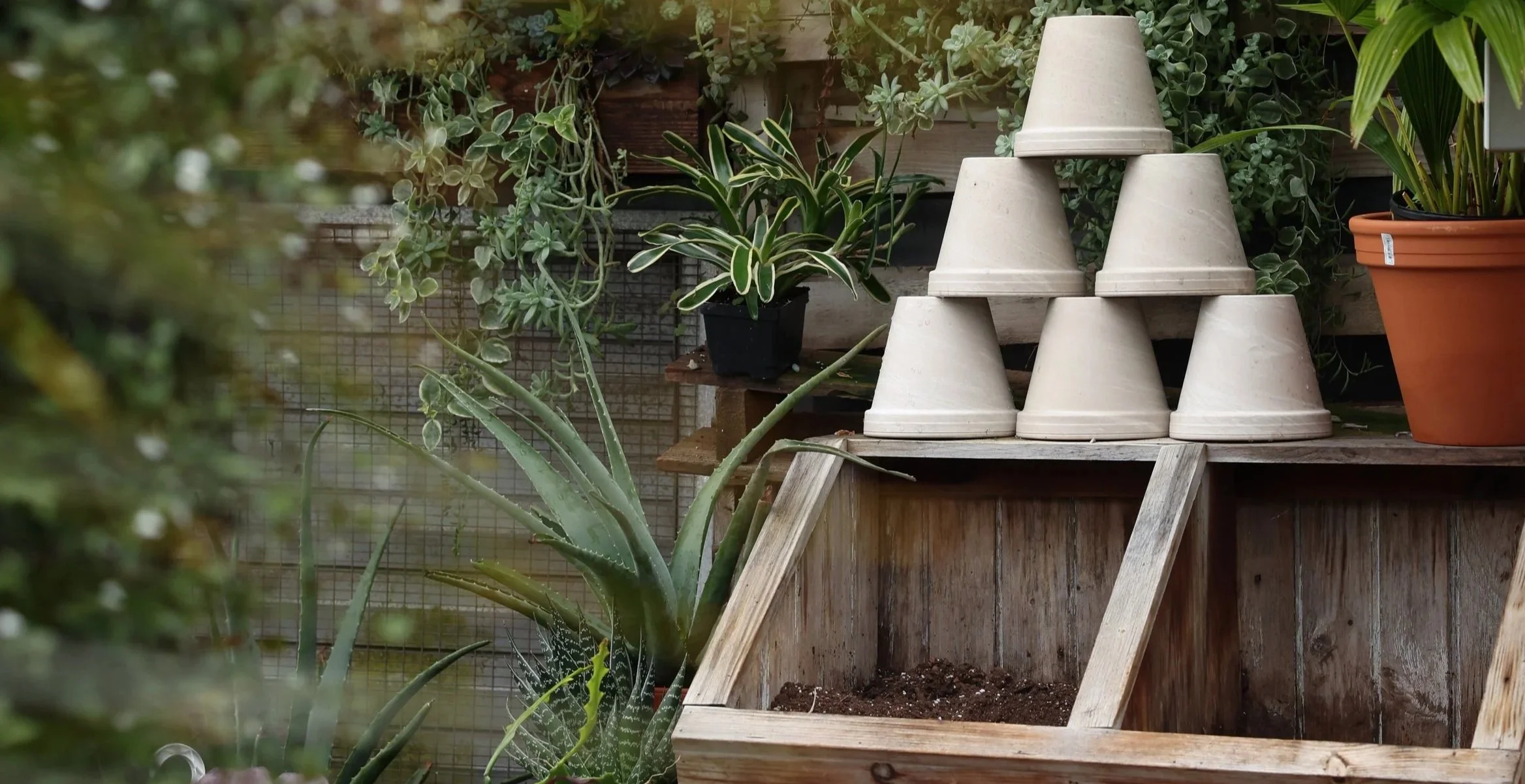
Spring is here, making it the perfect time to give your houseplants a little extra TLC. After a dark, cold winter, your plants are ready to grow and thrive. A refresh can help set them up for the season ahead. So how do you know if your plant needs to be repotted?
Most houseplants benefit from repotting every 1–2 years, depending on their growth rate, but there are a few clear signs to watch for.
Reasons to Repot
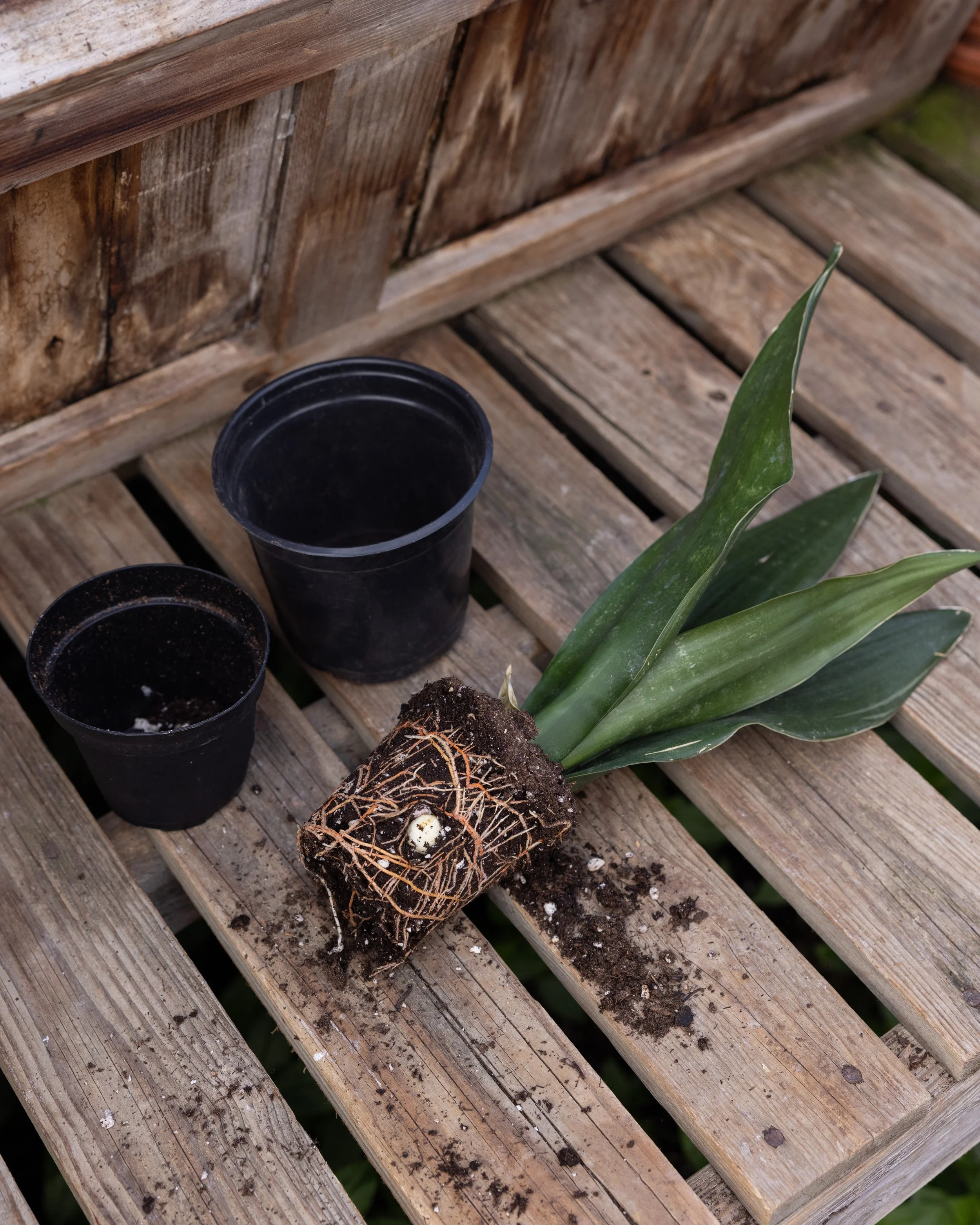
Your plant is rootbound, meaning the roots are filling the pot and may even be growing out of the drainage holes
The soil is drying out very quickly after watering
Your plant has outgrown its pot
Growth has slowed or stalled
If you’re unsure whether your plant is rootbound, gently slide it out of its pot and check the roots. If you see a dense mass of roots circling the bottom or sides, it’s likely time to repot.
When selecting a new pot, only size up slightly. A common mistake is choosing a pot that’s too large, which can lead to excess moisture and potential root issues. As a general rule, choose a pot that is about 1–2 inches wider than the current one. We also recommend using a pot with a drainage hole to help prevent overwatering.
Ready to Repot?
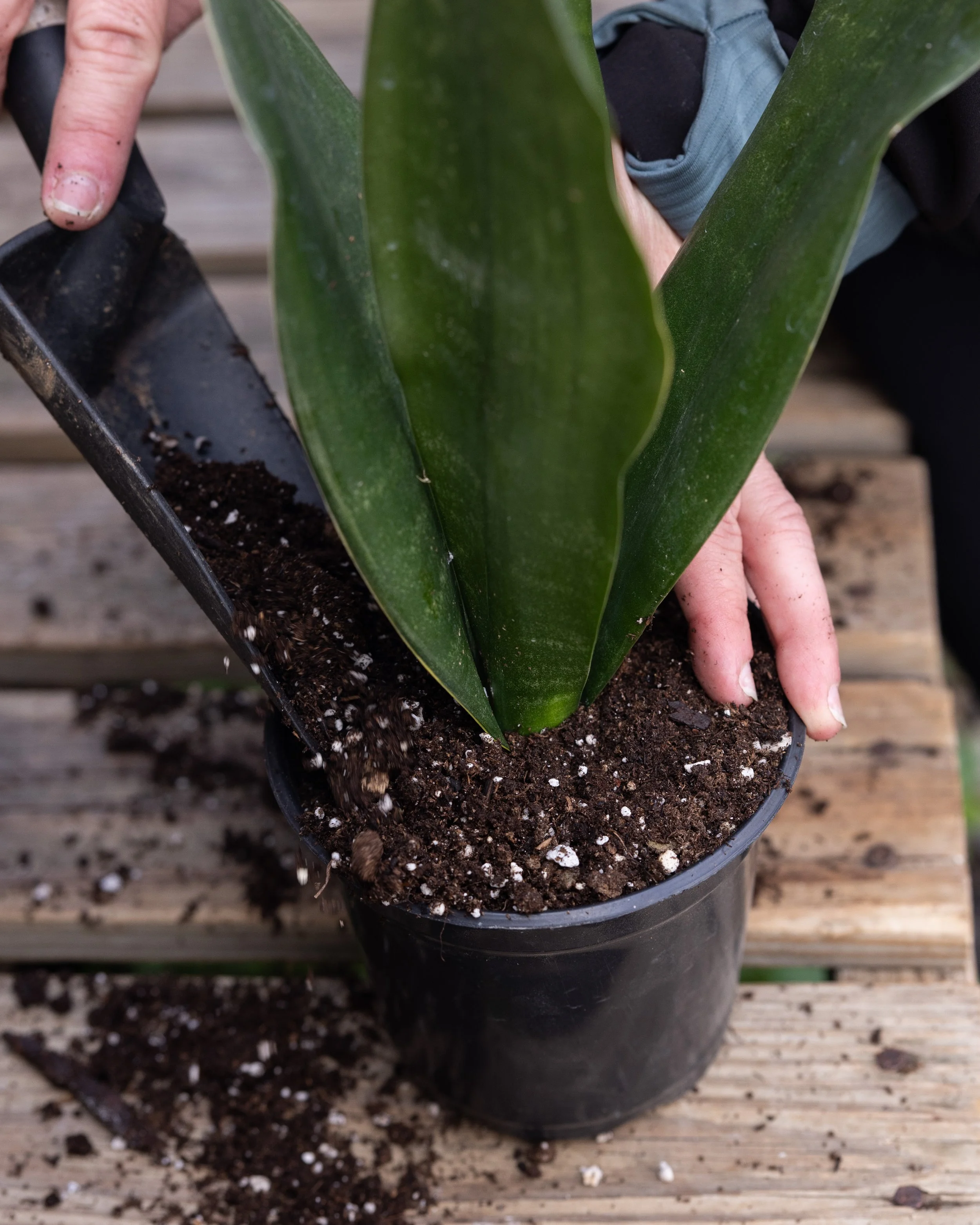
Grab your new pot and fill it about 1/3 of the way with fresh soil.
Carefully remove your plant from the old pot. Loosen the roots with your fingers if necessary.
Place your plant in the middle of the new pot and fill in around the sides with soil.
Leave approximately an inch at the top of your pot for easy watering.
Gently push down the soil around the roots of the plant.
Give your plant a little water.
Now that your plant is repotted, give it a little time to adjust to its new home. Keep an eye on watering and avoid overwatering during this transition period. With a little care, your plant will be ready to grow and thrive this season.